1. Introduction
As typical digital sound broadcasting technologies, DAB and DRM are affected during actual transmission by factors such as multipath propagation, signal fading, Doppler shift and path delay. For digital radio receivers, testing only under an ideal RF environment cannot fully evaluate the receiving performance of the product in a real wireless environment.
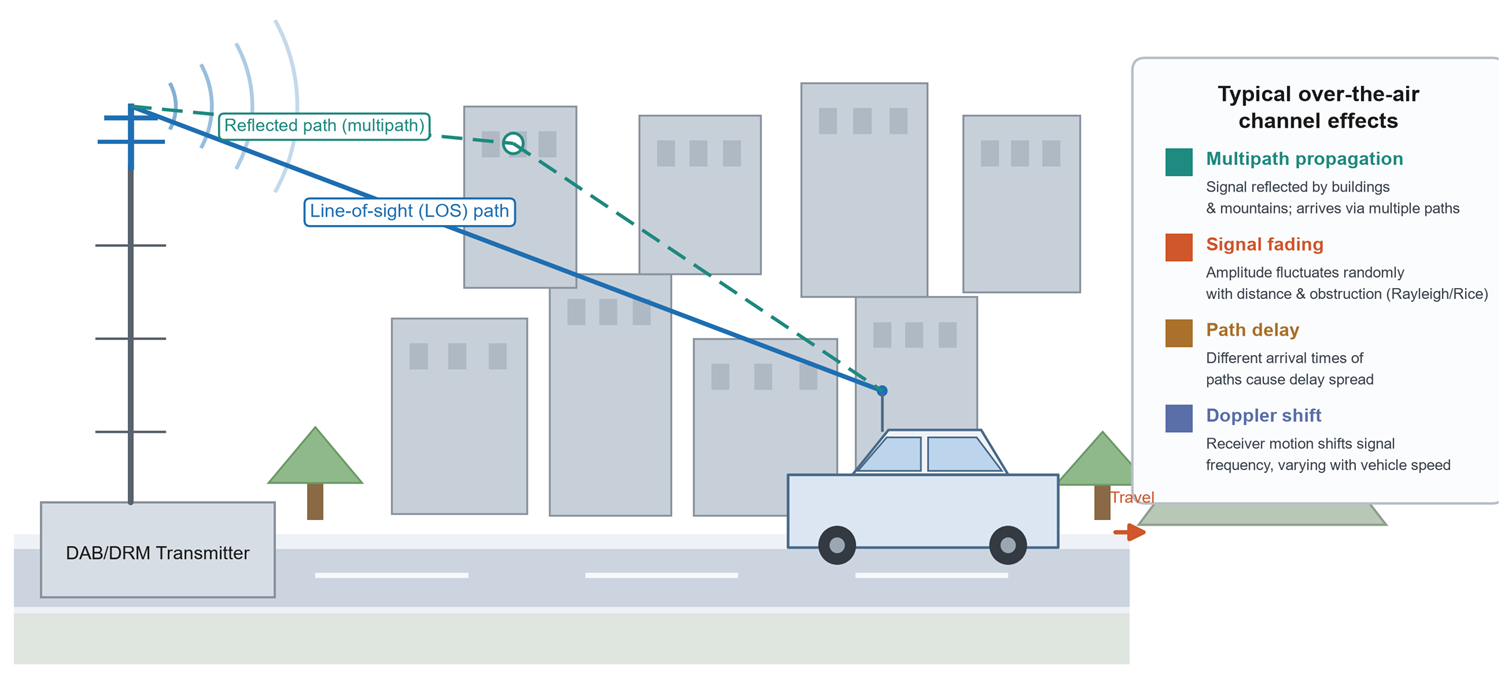
Figure 1 Illustration of the actual over-the-air channel environment: multipath, fading and Doppler effects
To enable repeatable and controllable performance verification in a laboratory environment, ETSI has defined corresponding reference channel models for DAB and DRM respectively. In particular, ETSI TS 103 461 specifies channel conditions such as Gaussian and Rayleigh for DAB receiver testing and provides typical channel parameter configurations in its relevant annexes, while ETSI ES 201 980 defines the reference channel models, including multipath, delay and Doppler, required for DRM receiver testing.
Compared with actual road and field testing, a channel simulator can convert complex wireless propagation environments into standardized laboratory test conditions, enabling test engineers to precisely control channel parameters and repeat the same tests.
The DOEWE WNS channel simulator is designed for DAB/DRM digital broadcasting testing. It combines standard channel models, multipath fading, Doppler effects and noise simulation to provide standardized channel simulation capability for digital radio receiver development, in-vehicle testing, product verification and certification testing.
2. DAB Standard Channel Model Principles and Simulation Requirements
DAB uses OFDM modulation, which provides strong resistance to multipath. However, path delay, path power and the Doppler effect caused by receiver motion in actual propagation environments can still affect receiving performance. The ETSI TS 103 461 test models provide typical DAB channel environments, mainly covering typical scenarios such as RA (Typical Rural), TU (Typical Urban) and SFN (Single Frequency Network). The test system block diagram is shown below.
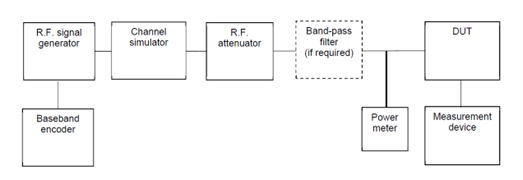
Figure 2 DAB channel simulation test system block diagram
2.1 RA Typical Rural Channel
The RA model is used to simulate typical rural propagation environments, including a dominant path with line-of-sight characteristics and other scattered multipath components. Different paths have different delay, power and Doppler characteristics and can be used to simulate typical propagation conditions in open and rural areas.
WNS supports standard channel configurations such as RA_4 and RA_6, and can set the delay and power of each path according to standard parameters to realize standardized rural channel simulation.
2.2 TU Typical Urban Channel
The TU model is used to simulate multipath propagation in densely built-up urban areas. After reflection and scattering by buildings, the signal forms multiple propagation paths with different arrival times, while vehicle motion produces Doppler spread. By combining different paths, frequency-selective fading in urban environments can be simulated to verify the synchronization, channel estimation, equalization and audio receiving performance of the receiver.
WNS supports typical urban channel models such as TU_6 and TU_12.
2.3 SFN Single Frequency Network Channel
In a DAB single frequency network, multiple transmitters synchronously transmit the same content on the same frequency. As different transmitters are at different propagation distances from the receiver, each signal has a different arrival delay and power, forming a special multipath propagation environment.
By configuring the delay, power and Doppler characteristics of different paths, WNS can simulate the combined effect of multiple synchronized transmitted signals reaching the receiver, providing laboratory conditions for SFN synchronization and receiving performance testing of DAB receivers.
2.4 DAB Doppler Spectrum
The ETSI TS 103 461 models include various Doppler spectra:
- CLASS: classical Rayleigh-type Doppler spectrum;
- RICE: Doppler spectrum with line-of-sight component characteristics;
- GAUS1 / GAUS2: Gaussian-type Doppler spectrum;
- GAUSDAB: DAB-specific Doppler spectrum.
WNS integrates all five standard Doppler spectra into its channel simulation system and supports velocity input, as well as the configuration of delay/power and other parameters, to realize DAB channel simulation under different mobility conditions.
3. DRM Standard Channel Models and Simulation
DRM30 is mainly oriented to digital broadcasting in the medium and short wave bands below 30 MHz. During actual propagation, ground waves, sky waves and ionospheric propagation can produce complex channel effects such as multipath, delay spread and Doppler. DRM receivers therefore need to be verified under both ideal channel and time-varying multipath channel conditions.
ETSI ES 201 980 Annex B specifies the reference channel models used for DRM receiver testing. Typical medium and short wave propagation environments are constructed through multiple paths with different delay, attenuation and Doppler characteristics. The test system block diagram is shown below.
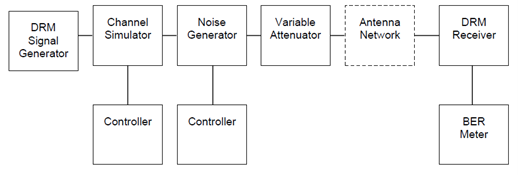
Figure 3 DRM channel simulation test system block diagram
3.1 AWGN Channel
The AWGN channel does not introduce multipath fading and only adds Gaussian white noise. It can be used to establish a baseline for basic performance and sensitivity testing of the receiver under ideal static conditions.
WNS supports AWGN and a settable C/N range, allowing users to adjust the noise conditions according to their test requirements.
3.2 Multipath Rayleigh Channel
The multipath Rayleigh channel simulates the multipath effect during medium and short wave propagation through multiple independent fading paths. Each path can be set with different parameters according to test requirements:
- Path Delay
- Path Gain / Relative Attenuation
- Doppler Shift
- Doppler Spread
AWGN can be superimposed at the same time, allowing the test environment to switch from an ideal channel to a complex time-varying channel.
By adjusting the above parameters, the synchronization, demodulation, error correction and audio receiving performance of DRM receivers under different propagation conditions can be verified.
4. DAB/DRM Channel Simulation Test System Solution
For DAB/DRM digital radio receiver performance verification, DOEWE provides a DAB/DRM channel simulation test solution composed of the RWC2010C digital broadcasting tester and the WNS channel simulator: RWC2010C generates standard DAB/DRM test signals, WNS simulates channel effects such as multipath, fading, Doppler and noise generated during actual propagation, and the vehicle radio/receiver acts as the device under test (DUT) connected to the link to complete receiving and demodulation performance verification, forming the complete test chain of “standard signal generation — standard channel simulation — receiving performance testing” (as shown in Figure 4). By changing the channel model, path parameters and moving speed, different application environments such as rural, urban, high-speed mobility and SFN can be simulated in the laboratory, reducing dependence on actual road and field testing and improving test efficiency and repeatability.
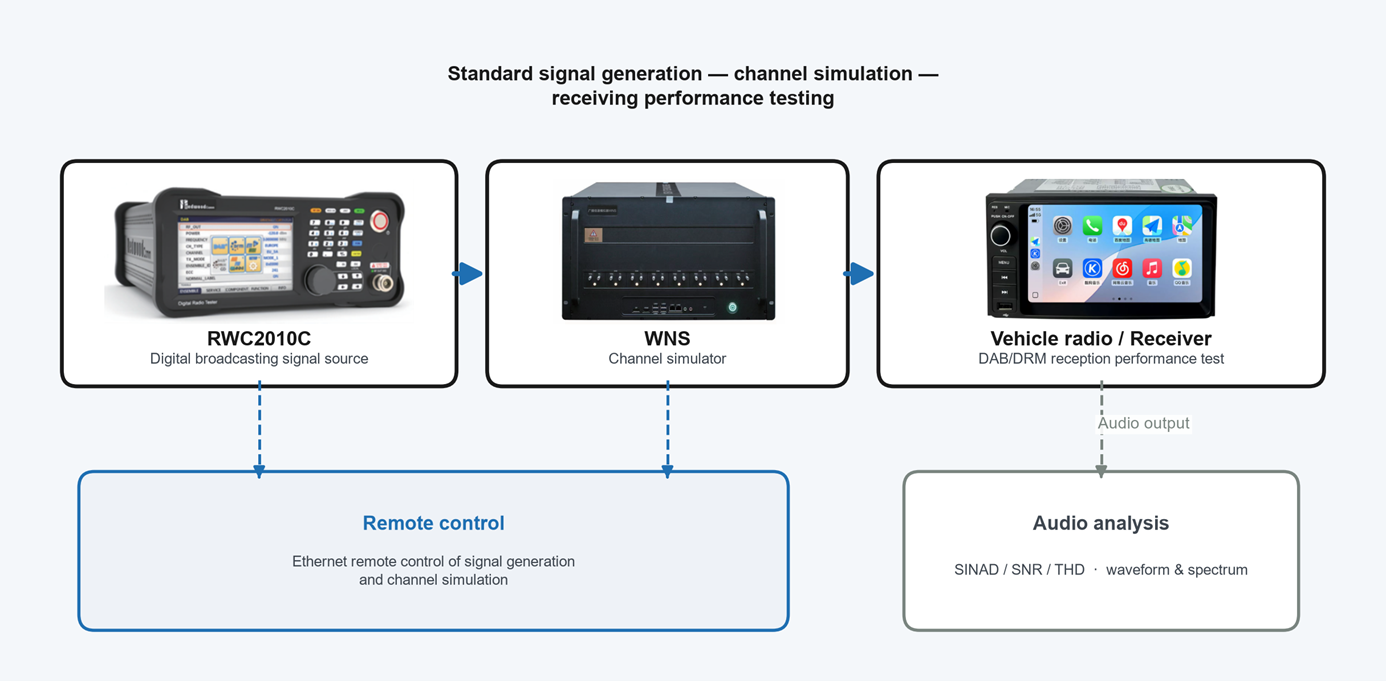
Figure 4 “Standard signal generation — standard channel simulation — receiving performance testing” complete chain diagram
4.1 Standard Channel Testing
The WNS channel simulator presets and centrally manages DAB/DRM standard channel models and test parameters, so users can quickly invoke the corresponding test scenarios without configuring complex path parameters item by item according to standard documents. For example, in DAB testing, standard channel models such as RA, TU and SFN can be selected directly to load the corresponding path delay, path power and Doppler parameters; in DRM testing, AWGN or standard multipath fading channels can be invoked according to test requirements and combined with parameters such as Path Delay, Path Gain, Doppler Shift and Doppler Spread to construct the corresponding propagation environment. On the basis of the standard preset scenarios, WNS also supports custom channel/path parameter configuration to meet the further verification needs for special propagation conditions during the receiver development phase.
4.2 Typical Applications
For in-vehicle digital broadcasting testing, WNS can simulate the dynamic channel changes caused by vehicle motion through velocity input, evaluating the receiving performance of the receiver at different vehicle speeds and under complex propagation conditions. DAB SFN testing, by setting the delay and power of different paths, simulates the combined environment of signals from multiple synchronized transmitters reaching the receiver, verifying the receiver's SFN synchronization and reception capability. For DRM receivers, WNS can build test conditions ranging from ideal static to complex time-varying environments through AWGN and multipath fading channels, verifying synchronization, demodulation, error correction and audio receiving performance.
The standardized channel environment of WNS is also applicable to product consistency verification, production line testing and regional market certification such as SASO and GSO. It can invoke the corresponding DAB standard channel models according to the certification scheme, providing a stable and repeatable laboratory environment. Combined with remote control commands, it can also be integrated into automated test flows. By flexibly combining with digital broadcasting test equipment such as RWC2010C and Hexylon, WNS can be used either as a standalone channel simulation device or as part of a complete DAB/DRM test system, providing a unified standard channel simulation platform for receiver development, in-vehicle testing, system-level verification and product certification.
5. Core Equipment: WNS, RWC2010C
5.1 WNS Channel Simulator
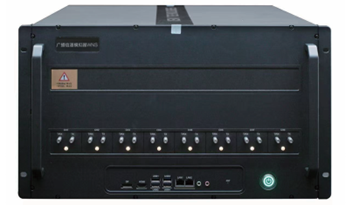
Figure 5 WNS channel simulator
Traditional channel testing usually requires configuring path delay, path power, Doppler coefficients and noise parameters item by item according to standard documents. Facing different standards and test scenarios, the repeated configuration process is not only inefficient but also prone to human configuration errors.
WNS presets and centrally manages standard channel models and channel parameters, enabling complex standard channels to be directly converted into callable test scenarios.
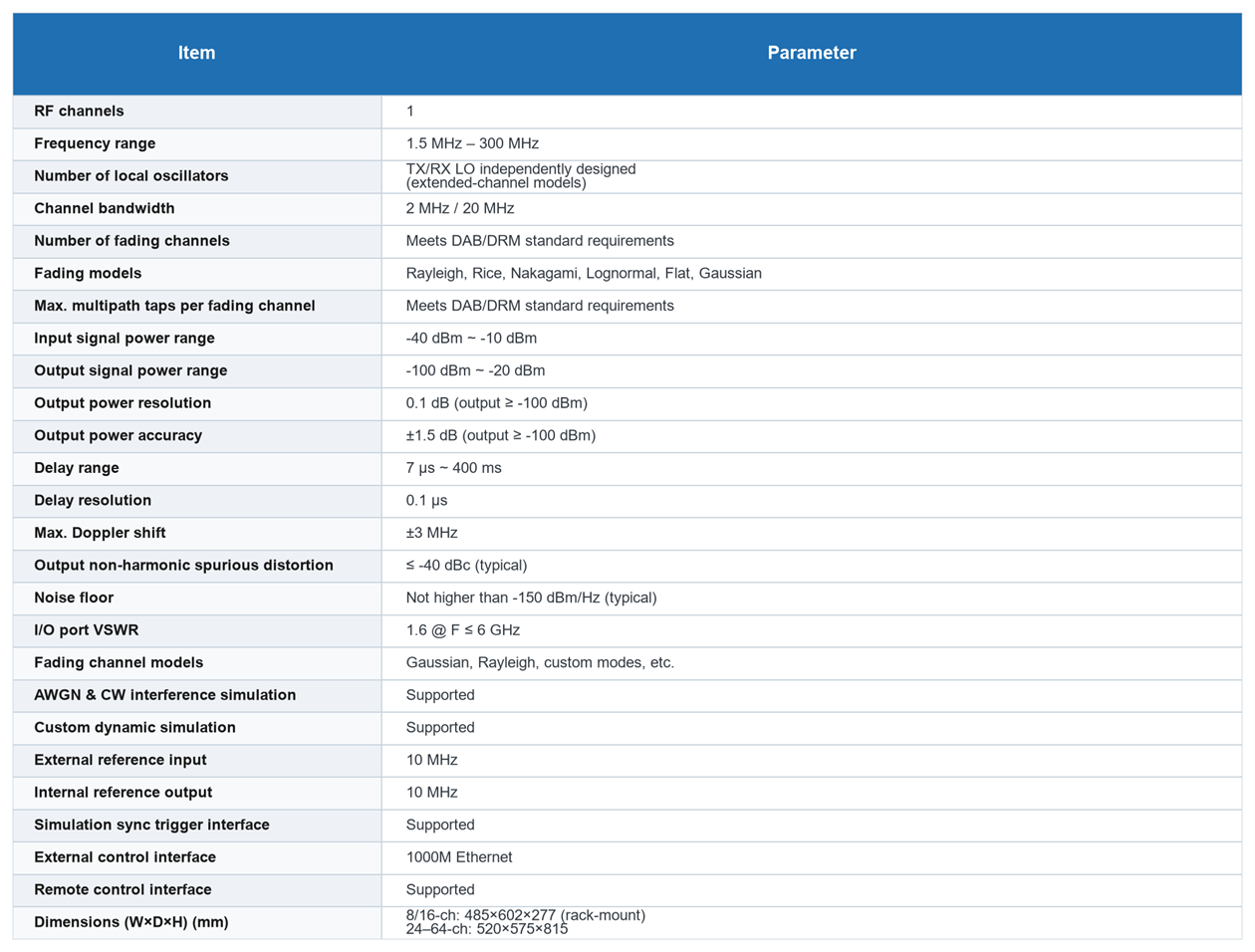
5.2 Core Specifications of the WNS Channel Simulator
5.3 RWC2010C Digital Signal Generator
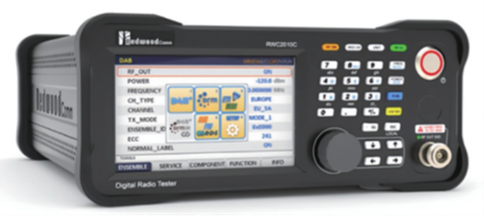
Figure 6 RWC2010C digital signal generator
DAB/DRM receiver performance verification requires standard digital broadcasting signals close to actual broadcasting. If a signal source is built temporarily with general-purpose equipment, the protocol configuration is cumbersome and it is difficult to reproduce the real multiplexing and broadcasting structure of a radio station.
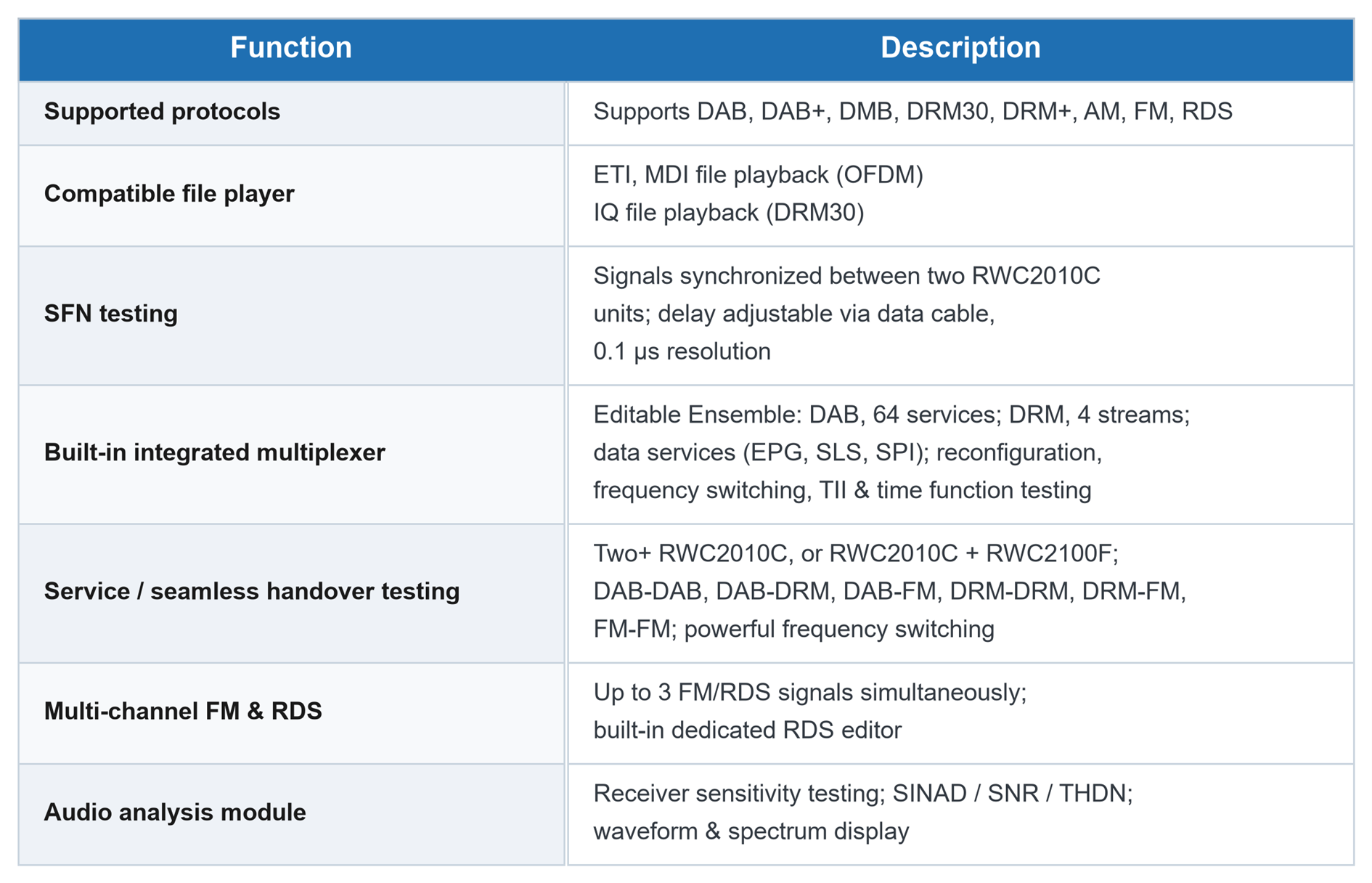
RWC2010C integrates digital broadcasting multiplexing, signal transmission and audio analysis into one unit. Designed for DAB/DRM digital radio receiver testing, it can generate standard broadcast signals such as DAB/DAB+, DRM30/DRM+ and FM RDS/AM, providing a standard, configurable signal source for WNS channel simulation.
5.4 Core Functions of the RWC2010C
6. Conclusion
The actual performance of digital radio receivers is closely related to the wireless propagation environment. Standardized channel simulation can convert the complex, uncontrollable propagation conditions in the real world into controllable, repeatable and quantifiable test environments in the laboratory. The DOEWE WNS channel simulator, oriented to DAB/DRM digital broadcasting applications, integrates standard channel models, multipath fading, Doppler effects and noise simulation into one, providing an efficient laboratory channel simulation solution for receiver development, in-vehicle testing, product verification and certification testing. From standard channel models to actual test scenarios, WNS can flexibly combine with DOEWE digital broadcasting signal sources and analysis equipment, helping users build a complete DAB/DRM test platform and making complex channel testing more standardized and efficient.
For more product information, please visit: www.doewe.com Tel: 010-64327909 E-mail: info@doewe.com